

T Shirt Quality: 5 Structural Clues to Spot a Well Made Tee
The most reliable proof of t shirt quality has nothing to do with a “premium” label and everything to do with fiber and stitching. Look for combed, ring-spun, long-staple cotton or a purpose-built blend, then confirm construction details like a bound collar and flat-locked seams, matched to a GSM that fits the use. Some brands build their shirts around those same structural markers. Read the label’s fiber words first, then check photos and reviews before you trust anything else.
TL;DR:
- Look for shirts made from combed, ring-spun, long-staple cotton or purpose-built blends, with construction features like bound collars and flat-locked seams.
- Confirm fiber quality with specific terms like “combed cotton,” “long-staple,” or “ring-spun,” and prioritize GSM or weight for durability and purpose over vague finish claims.
- Check product photos for reinforced shoulder seams, flat side seams, and dense fabric texture to verify proper construction and avoid weak manufacturing shortcuts.
- Select appropriate fabric weight (120-150 GSM for lightweight, 150-200 GSM for everyday wear, 200+ GSM for heavier, colder-weather shirts) based on intended use, not just quality.
- Respect that finish treatments like bio-wash or pre-shrunk do not compensate for poor fiber quality, and consider long-term wear and care to prevent pilling and shrinkage.
Table of Contents
- Fabric and Fiber: What the Label Really Means
- Construction and Stitching That Prove Care
- Weight (GSM/oz) and Knit: Choosing the Right Density
- Finishes, Treatments, and Labeling Traps
- Fit, Cut, and Pattern Details That Affect Perceived Quality
- Durability, Pilling, Shrinking, and Care
- Shopping Checklist: How to Judge Quality Quickly Online
- Why Trust This Guide: Publisher Credentials and Proof Points
- Environmental and Ethical Considerations in T-Shirt Quality
- Author Perspective: Practical Buying Trade-Offs
- A High-Quality Example Worth Checking Out
- Sources
- FAQ
Fabric and Fiber: What the Label Really Means
Fiber is where quality starts, and it’s also where most marketing copy gets vague on purpose. Combed cotton has been through an extra processing step that removes short fibers and impurities before spinning, leaving a smoother, stronger yarn behind. Pair that with long-staple cotton (Supima is the best known American example) and you get a fabric that resists pilling far better than shirts made from short, scratchy fibers packed loosely together.
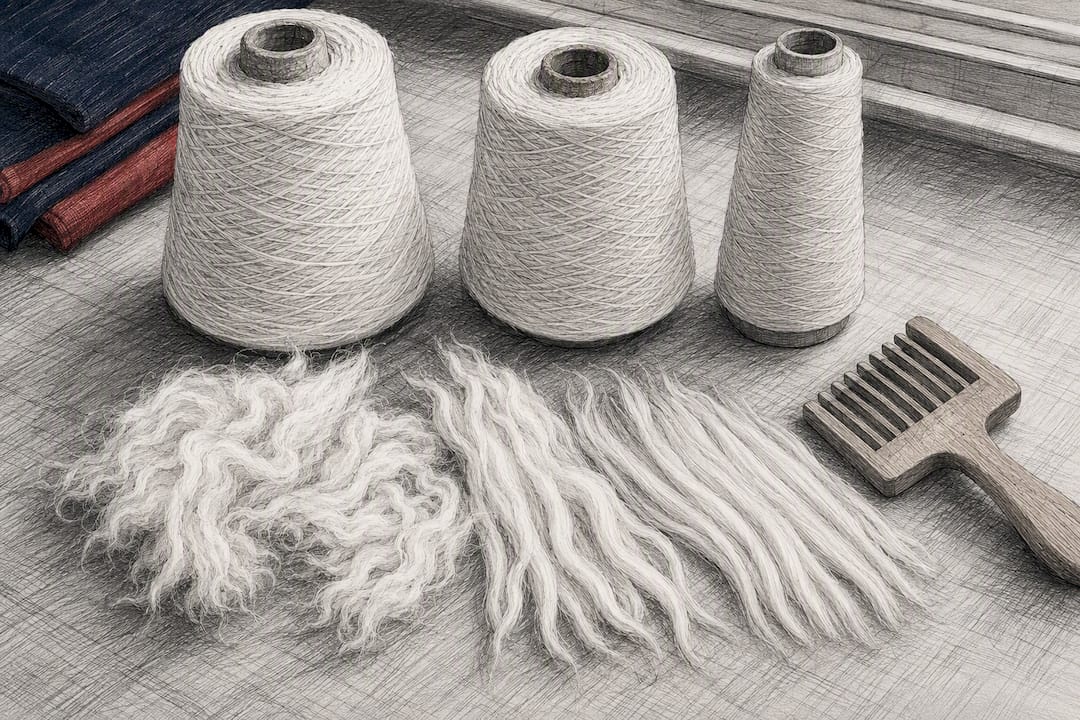
Spinning method matters just as much as the fiber length. Ring-spun yarn is twisted and thinned during spinning, which creates a finer, softer, more durable thread than open-end spinning, a cheaper process that produces bulkier, weaker yarn. Combed ring-spun cotton is about as close to a guarantee of good fiber quality as a t-shirt label gets, according to Boring Label’s breakdown of t-shirt jargon.
Not every good tee is 100% cotton, though. Tri-blends (usually cotton, polyester, and rayon) drape softer and resist wrinkling better than straight cotton, at some cost to breathability. Polyester wicks moisture and holds color well but runs hotter against skin. Linen breathes better than almost anything else but wrinkles fast and wears out faster under repeated stress. Deluxe’s fabric guide breaks down how each of these performs for different end uses, from casual wear to printed merchandise.
Here’s the trap: finish claims like “bio-washed” or “pre-shrunk” describe what happened to the fabric after weaving, not what it’s made of. A cheap short-staple cotton tee can get a soft bio-wash finish and feel great on day one, then pill within a month. Prioritize these label words over finish claims:
- “Combed cotton” or “combed ring-spun cotton”
- “Long-staple” or the Supima name specifically
- A stated GSM or ounce weight (more on that below)
- Named knit type (jersey, interlock)
Be skeptical of vague terms like “premium cotton blend” with no fiber percentage listed, or “super soft” with no explanation of why.
Construction and Stitching That Prove Care
Fabric quality means little if the shirt is sewn poorly. Construction is where cheap manufacturing corners get cut, and it’s also where you can catch quality problems just by zooming into product photos.
Loopwheeled knitting is the rarest and most telling sign. Loopwheel machines knit fabric slowly, under minimal tension, producing a denser, more textured tube of fabric with better shape retention over time. It’s a process concentrated in a handful of specialty mills worldwide, and brands that use it tend to say so explicitly in product descriptions, according to Denimhunters’ guide to spotting quality tees. Most mass-market shirts use tubular knitting instead, which is faster and cheaper but produces a flatter, less durable fabric.
Seams tell the rest of the story. Flat-locked seams lie smooth against the skin and resist the kind of stretching and puckering that ruins a shirt’s shape after repeated washing. Single-stitch hems (as opposed to double-needle hems on cheaper shirts) are actually a mark of quality on premium tees, since they lie flatter and avoid the puckering double stitching sometimes causes on lighter fabrics. A bound collar (a separate strip of fabric wrapped around the neckline seam) resists stretching out into the sagging “bacon neck” look that plagues cheap crew necks after a few washes. Reinforced shoulder seams (sometimes taped) stop the shoulders from stretching under the weight of the fabric over time.
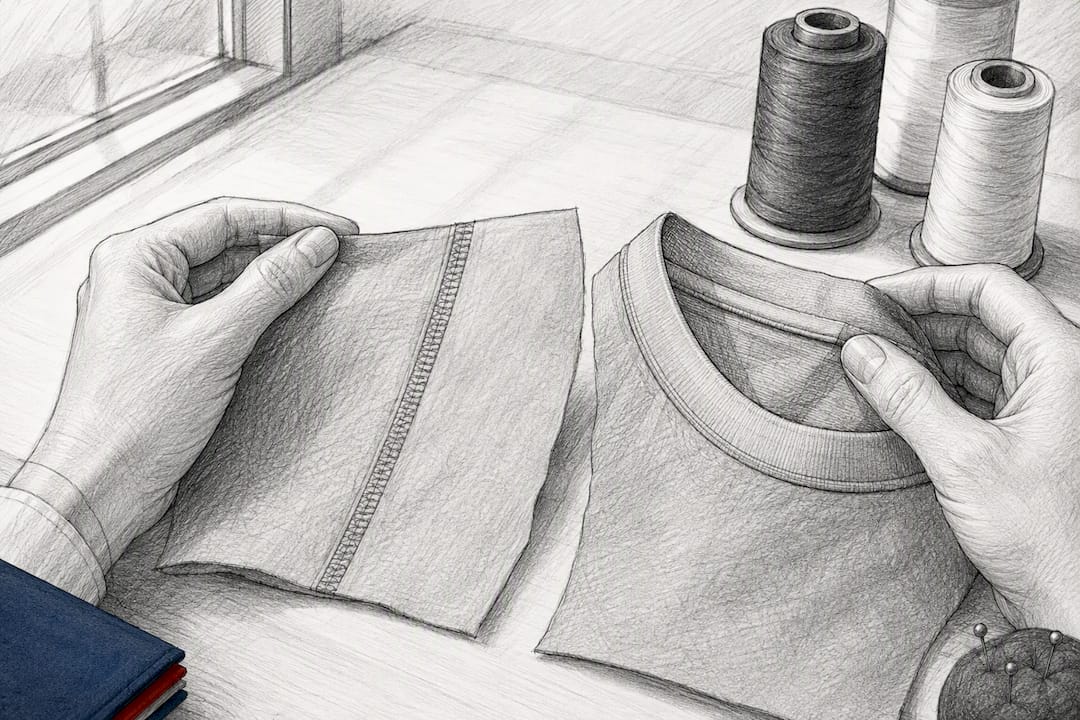
Pro Tip: Zoom into the collar and shoulder seams in product photos before anything else. A blurry or absent close-up of these areas on a listing is often a sign the seller doesn’t want you looking too closely.
When you’re checking photos or an in-hand shirt, run through this:
- Does the collar have a visible bound strip, or does it look like a single loose ring of fabric?
- Are the shoulder seams straight and reinforced, or do they look like a single flimsy line of stitching?
- Do the side seams and hems lie flat, or do they pucker slightly in the photo?
- Is the fabric texture visibly dense in close-up shots, or does it look thin enough to see light through?
Weight (GSM/oz) and Knit: Choosing the Right Density
GSM (grams per square meter) tells you how dense the fabric is, and it’s a use-case tool more than a universal quality score, per Deluxe’s fabric guidance. A heavier shirt isn’t automatically better made. It’s just built for a different job.
- Lightweight (roughly 120 to 150 GSM): Breathable, drama, good for hot climates or layering, but shows wear faster.
- Midweight (roughly 150 to 200 GSM): The most common range for everyday tees. Balances structure, breathability, and durability.
- Heavyweight (200 GSM and up): Sturdier hand feel, better shape retention, ideal for colder weather or shirts meant to take a beating.
Knit structure changes the feel, too. Single jersey is the standard lightweight knit for most casual tees. Interlock knits are thicker and more stable, resisting curl at the edges. Slub knits have an intentionally irregular yarn thickness for a textured, vintage look, though that texture can sometimes mask lower fiber quality underneath. Match weight to purpose: lightweight for summer or athletic wear, heavyweight for a shirt you expect to outlast a few winters.
Finishes, Treatments, and Labeling Traps
Finishing processes happen after the fabric is woven or knit, and they change how a shirt feels on day one, not necessarily how it holds up over time. Pre-shrunk fabric has gone through controlled shrinkage before cutting, but it isn’t shrink-proof. Expect a small amount of additional shrinkage over the shirt’s life. Bio-washing (an enzyme treatment) softens fabric and removes loose fuzz for a smoother hand feel right out of the package. Garment dyeing (dyeing the finished shirt) tends to produce richer, slightly irregular color compared to yarn dyeing (dyeing the thread before weaving), which is more uniform but can look flatter.
None of these finishes fix a weak base fiber. A short-staple cotton shirt with a heavy bio-wash can feel soft in the store and pill within weeks, which is exactly the gap Boring Label points out between finish language and fiber substance. The rule of thumb while shopping online: treat finish claims as a bonus, never as the deciding factor. If a listing leads with “super soft bio-washed fabric” but never mentions the fiber type or spinning method, that’s a gap worth noticing.
Fit, Cut, and Pattern Details That Affect Perceived Quality
A well-made shirt in the wrong pattern still looks and wears badly. Shoulder seams should sit right at the edge of your shoulder bone, not sliding down your arm or riding up your neck. Armhole height affects both range of motion and how the fabric pulls across the chest when you raise your arms. Sleeve opening width determines whether sleeves look tailored or baggy. Torso taper (or the lack of it) is what separates a boxy fit from an athletic one, and hem length determines whether the shirt rides up when you move.
Different cuts serve different bodies and purposes. Boxy fits are more forgiving and tend to hide fabric wear longer since there’s less stress on any single seam. Tailored fits look sharper but put more strain on side seams. Athletic cuts hug closer and reveal construction flaws faster, since tighter fabric shows every seam pucker.
Before buying, run through this:
- Compare the brand’s size chart measurements (not just S/M/L labels) against a shirt you already own and like.
- Check the model’s height and the size they’re wearing in photos, if listed.
- Look for stated fabric stretch or lack of it. Shirts with even a small percentage of elastane behave differently at the edges of a size range than 100% rigid cotton.
Durability, Pilling, Shrinking, and Care
Good fiber and construction only pay off if you treat the shirt right; for tips on improving everyday lingerie comfort similarly, see how to improve daily lingerie comfort. Wash in cold water on a gentle cycle, and either air dry or use low heat. High heat is the fastest way to break down cotton fibers and force additional shrinkage, even on fabric labeled pre-shrunk.
Pilling happens when short fibers work loose and tangle into little balls, mostly under friction points like underarms and where a bag strap sits. Combed long-staple cotton resists this dramatically better than cheap short-staple fabric, since there are simply fewer loose fiber ends to begin with. Fading slows down with cold washes and turning shirts inside out before drying.
Shrinkage reality check: Even shirts labeled pre-shrunk typically still shrink somewhat with washing and high-heat drying, according to guidance from Printify’s fabric guide. Budget for a small amount of movement in fit over the shirt’s first several washes rather than expecting zero change.
- Wash cold, inside out, gentle cycle.
- Skip the dryer when you can, or use low heat.
- Avoid fabric softener on cotton. It coats fibers and actually accelerates pilling over time.
Shopping Checklist: How to Judge Quality Quickly Online
Most product pages give you everything you need if you know what order to check things in.
- Fiber and structure first. Look for combed, ring-spun, or long-staple language before anything else. No fiber percentage listed is a red flag.
- GSM or ounce weight second. Confirm it matches the intended use (light for summer, heavy for structure and longevity).
- Knit type third. Single jersey, interlock, or slub tells you what texture and drape to expect.
- Construction photos fourth. Zoom into collar, shoulder seams, and hems for bound edges and flat seams.
- Reviews last. Search review text for phrases like “still looks new after months” or “held up after a dozen washes” rather than star ratings alone, which tell you almost nothing about long-term wear.
Price isn’t a reliable shortcut. A $15 shirt with combed ring-spun cotton and bound seams can outlast a $40 shirt riding on branding alone. Weight the checklist above heavier than the price tag every time.
Why Trust This Guide: Publisher Credentials and Proof Points
This guide is authored with a focus on quality standards that some veteran-owned apparel companies uphold, including backing products with a 30-day money-back guarantee and maintaining a strong base of positive customer reviews.
This guide was written by Erik. The checklist above, structural fiber first, construction second, finish claims last, is the same standard Gulfofamerica applies to its own product descriptions, without needing to name or compare against any other brand to make the point.
Environmental and Ethical Considerations in T-Shirt Quality
Durability and sustainability aren’t separate conversations. A shirt that holds up for years and skips the landfill after six months is doing more environmental good than any recycled-fiber claim on a garment that falls apart quickly. That’s the most underrated sustainability lever in apparel: buy fewer, better shirts.
Beyond longevity, look at where and how a shirt is made. Manufacturing location matters both for labor conditions and for the carbon footprint tied to shipping. The U.S. Department of Labor sets and enforces labor standards for domestic manufacturing, which is one reason “close-to-home manufacturing” carries real weight as a value signal, not just marketing language. It doesn’t guarantee superior stitching, but it does mean a shorter, more traceable supply chain.
Organic and long-staple cotton farming tends to use less water and fewer synthetic pesticides than conventional short-staple cotton, though certification claims vary widely in how strictly they’re audited, so treat “organic” the same way you treat “premium”: a word that needs backup, not blind trust. Fair labor practices, whether through domestic production or third-party audited factories, are worth asking about directly if a brand doesn’t volunteer the information. A company that names its manufacturing region and labor standards up front is telling you something a vague “ethically made” tag never will.
Author Perspective: Practical Buying Trade-Offs
Here’s the trade-off nobody likes admitting: the softest shirt in the store on day one is rarely the one still in your drawer two years later. Bio-washed short-staple cotton feels fantastic under fluorescent store lighting and starts pilling by week six. Combed long-staple cotton feels a little firmer at first and gets better with every wash. If you’re buying for a single event, chase the soft feel. If you’re buying a shirt you’ll actually wear on rotation, chase the fiber.
Pro Tip: When in doubt between two shirts, buy the one with more structural detail on the label and less marketing language.
— Erik
A High-Quality Example Worth Checking Out
Everything in this guide, fiber first, construction second, GSM matched to purpose, reflects standards some apparel brands hold their products to, sometimes backed by return policies that provide customer confidence.

Two pieces worth a look if you want to see these quality markers in action outside of t-shirts: the Gulf of America Hat Embroidered Patch Mesh Back Trucker Hat pairs a structured mesh back with embroidered detailing built to hold its shape wash after wash, and the Gulf of America Trucker Hat Patriotic Snapback Baseball Cap applies the same construction standard in a snapback build. Browse the full Gulf of America collection to see how the brand applies these fiber and construction principles across shirts, hats, and accessories, and check a product page against the checklist in this guide before you buy.
Sources
- How to Spot a Quality T-Shirt: 8 Signs to Look For - Denimhunters
- T-Shirt Label Jargon Decoded: What Actually Matters — Boring Label
- Decoding t-shirt fabrics: What material is best for your business? | Deluxe
FAQ
What Is the Best Quality for a T-Shirt?
Combed, ring-spun, long-staple cotton paired with construction details like bound collars and flat-locked seams represents the highest reliable quality standard, since these signals are hard to fake and directly predict how the shirt wears over time.
Should Your Stomach Show When You Raise Your Arms?
A well-fitted tee shouldn’t ride up dramatically when you raise your arms. If it does, the torso length or armhole height is likely too short for your proportions, and checking the brand’s size chart against a shirt you already own can help avoid that surprise.
What Is a Good Quality T-Shirt?
A good quality t-shirt combines a strong fiber base (combed or long-staple cotton, ring-spun yarn), a GSM matched to its intended use, and visible construction care like flat-locked seams and a bound collar rather than relying on finish claims alone.
Who Has the Best Quality T-Shirts?
Quality varies by product line even within one brand, so the safest approach is checking fiber and construction details on each specific listing rather than trusting a brand name alone. Some apparel brands build their products around similar structural standards and back items with satisfaction guarantees.