

160–180 GSM Signals Softness: Premium T Shirt Fabrics That Last
Premium t-shirts most often use long-staple cotton like Pima or Supima, combed ring-spun construction, and soft blends such as tri-blend or modal/TENCEL™. Pima and Supima deliver the softest, most durable hand for everyday wear; tri-blend and modal suit lightweight drape and athleisure; heavier combed cotton holds up best for retail staples. Each prints differently and needs its own care, so the right choice depends on how the shirt will be worn, washed, and printed.
TL;DR:
- Long-staple cotton fibers like Pima and Supima are essential for softness, durability, and resistance to pilling, especially when spun with combed ring-spun methods.
- GSM ratings between 160 and 200 are ideal for most premium tees, balancing weight, shape retention, and comfort without favoring heavier or lighter fabrics unnecessarily.
- Combed ring-spun cotton is the top choice for premium shirts, offering a smooth feel, strong yarn, and longevity, with brands often explicitly displaying fiber length and GSM.
- Blends such as tri-blend, modal, and TENCEL™ provide lightweight drape and moisture management, while performance fabrics with polyester and spandex are suited for athletic or fitted styles.
- Accurate material claims with specific fiber details, GSM figures, and clear care instructions are the best indicators of genuine quality, unlike vague marketing language.
Table of Contents
- What Makes a Fabric Premium: Fibers, Yarns, Knits, and GSM
- Premium Cotton Types: Pima, Supima, and Combed Ring-Spun
- Blends and Semi-Synthetics: Tri-Blend, Modal, TENCEL™, Bamboo, and Hemp
- Performance Fabrics: When Polyester and Spandex Earn Premium Status
- Printability, Care, and Durability: Matching Fabric to Method
- How to Choose the Right Premium Fabric for Your Goal
- Behind the Standard: How Gulf of America Vets Materials
- Spotting Real Quality vs. Marketing Language
- Gear Up With Materials You Can Actually Trust
- Sources
- FAQ
What Makes a Fabric Premium: Fibers, Yarns, Knits, and GSM
Fiber length is the single biggest factor separating a premium tee from a bargain one. Long-staple cotton fibers, the kind used in Pima and Supima, run longer than standard upland cotton fibers. Longer fibers spin into smoother, stronger yarn with fewer loose ends poking out of the fabric surface, which is exactly what causes pilling on cheaper shirts after just a few washes.
Two manufacturing steps push a fabric further into premium territory. Combing removes short, weak fibers before spinning, leaving only the long, uniform ones. Ring-spinning then twists those fibers into a finer, tighter yarn instead of the looser, bulkier strand you get from open-end spinning. The result feels smoother against skin and holds its shape wash after wash, which is why combed ring-spun cotton is considered the benchmark for high-quality retail apparel.
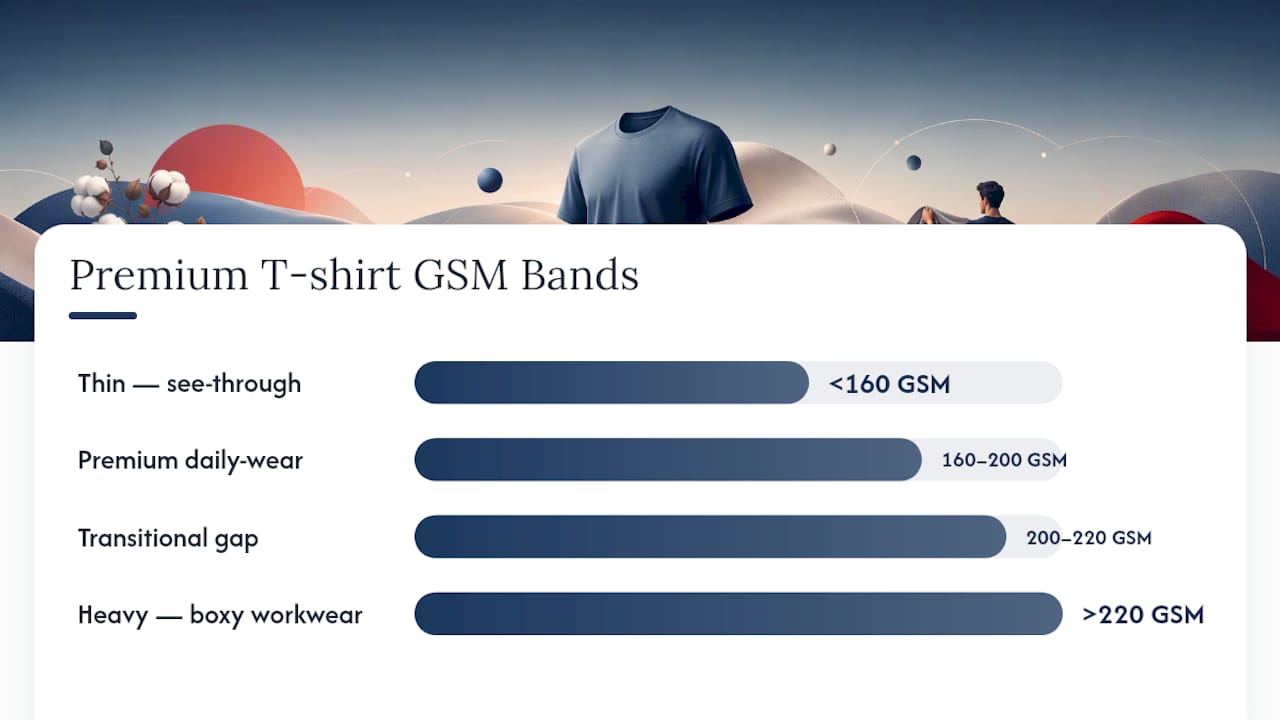
Weight matters just as much as fiber quality. GSM (grams per square meter) tells you how dense the knit is:
- 120 to 160 GSM: lightweight, breathable, common for summer tees and layering pieces
- 160 to 180 GSM: balanced weight, the everyday-wear middle ground
- 180 to 220 GSM: midweight to premium, structured drape without stiffness
- 220+ GSM: heavyweight, boxier fit, favored for streetwear and workwear-style tees
A heavier fabric holds its shape better over time, but heavier doesn’t automatically mean better. It’s a different aesthetic, not a universal upgrade. Finishing also plays a quiet role: brushing, mercerizing, or garment-washing an organic cotton fabric can produce a distinctively soft handle that raw, unfinished cotton never achieves, whatever the fiber.
Premium Cotton Types: Pima, Supima, and Combed Ring-Spun
Pima cotton is a long-staple variety grown primarily in the American Southwest, Peru, and Australia. Supima is the trademarked, certified version grown exclusively from American Pima cotton, with strict quality controls attached to the name. Both types share the same core advantage: longer staple fibers improve softness, strength, and color retention, which is why you’ll find them in nearly every premium cotton collection worth its price tag.
The spinning method matters almost as much as the cotton variety itself. Here’s how the three common methods stack up:
- Combed cotton: short fibers removed before spinning, smoother surface, better for printing
- Ring-spun cotton: fibers twisted tighter during spinning, softer hand, stronger yarn
- Open-end (carded) cotton: fibers spun in bulk without combing, rougher texture, lower cost, shorter lifespan
Combed ring-spun cotton combines both processes and sits at the top of the cotton hierarchy for a reason: it resists pilling, prints cleanly, and keeps its softness through repeated washing. It’s also the fabric most likely to be labeled “premium” on a hangtag, and for once, the label usually earns it.
For GSM, most premium cotton tees land between 160 and 200 grams per square meter. Anything below that starts to feel thin and see-through; anything above 220 GSM shifts toward a boxier, heavyweight fit that reads more workwear than lifestyle basic. Most premium retail brands aim for a combed ring-spun Supima tee with substantial weight and softness suitable for daily wear and durability, though exact GSM figures may vary.
Blends and Semi-Synthetics: Tri-Blend, Modal, TENCEL™, Bamboo, and Hemp
Tri-blend fabric, typically a mix of polyester, cotton, and rayon, delivers a softness and drape that pure cotton can’t match on its own. The luxurious hand and vintage-inspired drape comes from the way the three fibers interact: cotton grounds the fabric, polyester adds durability and shape retention, and rayon smooths the texture. Tri-blend tees typically have a lighter weight that contributes to their lighter and clingier feel compared to straight cotton tees.
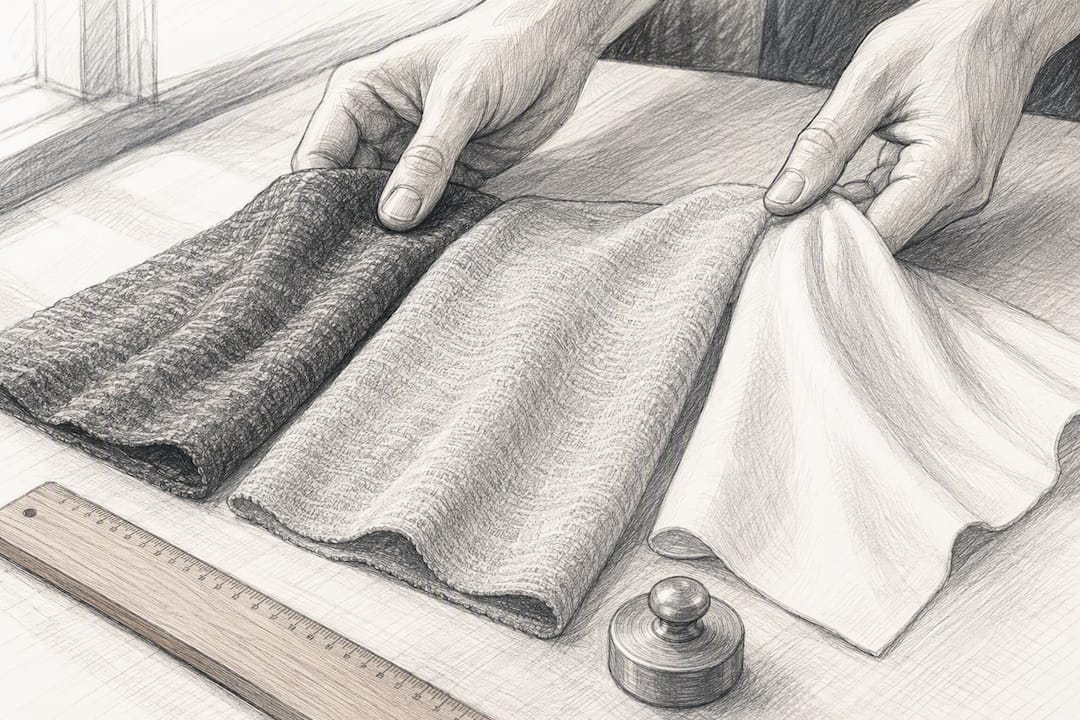
Modal and TENCEL™ (a branded form of lyocell) come from wood pulp, usually beech or eucalyptus. Both offer a silky, almost liquid drape and noticeably better moisture management than cotton. The production difference matters for anyone weighing sustainability claims: TENCEL™ is manufactured in a closed-loop process that recovers and reuses the solvent, while standard modal production doesn’t always follow that same closed system. That’s the real distinction behind TENCEL™'s reputation as the more sustainable option, not just a marketing word on a tag.
Bamboo and hemp blends round out the premium semi-synthetic category, though they’re less common on mainstream shelves. A few practical notes:
- Bamboo-derived rayon feels silky and drapes well but often needs heavy chemical processing to get there
- Hemp fibers are naturally durable and get softer with each wash, but the raw texture starts out coarser than cotton
- Both work best blended with cotton or modal rather than used alone, balancing texture with structure
Availability and cost keep bamboo and hemp blends in the premium or limited-drop category rather than everyday retail staples, at least for now.
Performance Fabrics: When Polyester and Spandex Earn Premium Status
Synthetic fibers get a bad reputation in casual wear, but they’re the correct premium choice for one category: performance and fitted apparel. Polyester, especially recycled polyester, wicks moisture and dries faster than cotton, which matters far more than softness when a shirt is built for a workout instead of a coffee run.
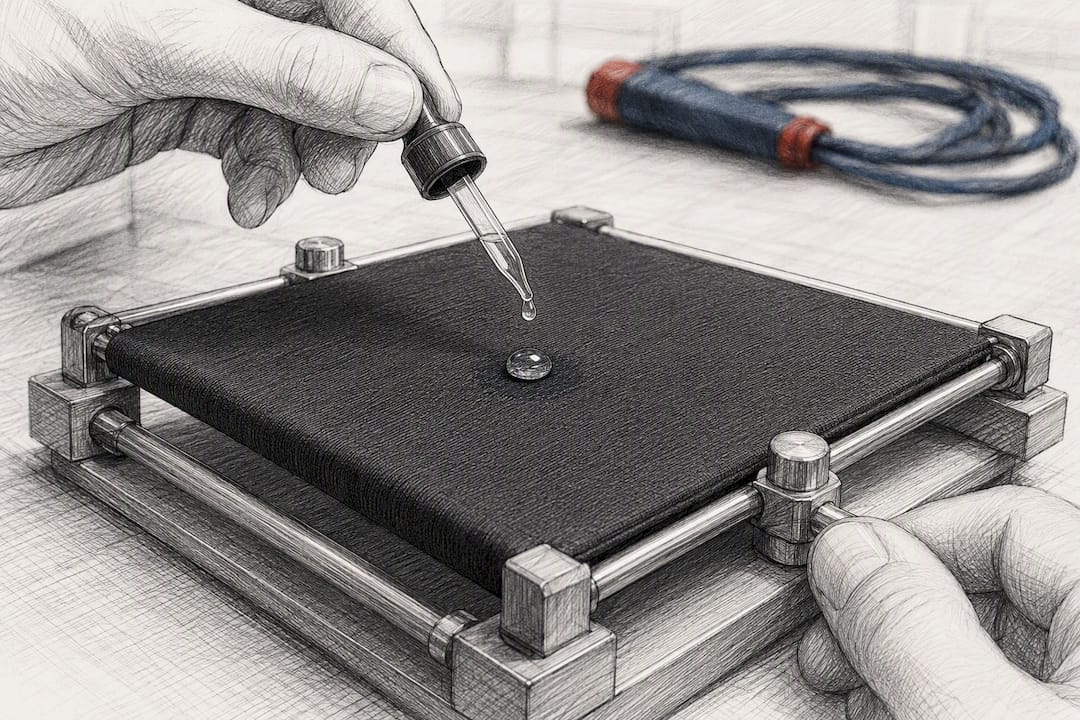
A small percentage of spandex or nylon blended into a cotton or poly base changes the entire fit profile. It adds stretch recovery, meaning the shirt springs back into shape instead of sagging at the collar and hem after a few wears. That’s usually enough for stretch without turning the fabric into something that feels more like athletic compression wear.
Two trade-offs to weigh before choosing synthetics:
- Printing: 100% polyester requires sublimation printing rather than direct-to-garment methods
- Odor retention: synthetic fibers hold onto sweat odor more stubbornly than cotton unless treated with an antimicrobial finish
For anything worn hard, at the gym, on a run, on a job site, performance fabric isn’t a compromise. It’s the fabric doing exactly what it was engineered to do.
Printability, Care, and Durability: Matching Fabric to Method
Getting the print method wrong on a good fabric wastes both the shirt and the design. DTG printing works best on cotton and cotton-rich blends because the ink absorbs into natural fibers. Try DTG on 100% polyester and the ink sits on top instead of soaking in, cracking and fading fast. Sublimation flips that rule: it requires polyester, since the process uses heat to turn dye into a gas that bonds with synthetic fibers specifically. Screen printing sits in the middle, working reasonably well across most fabric types, which is why it remains the standard for bulk orders regardless of fiber content.
Care habits protect the investment once the shirt is made. Follow this sequence to keep premium fabric feeling premium:
- Wash in cold water to prevent shrinkage and color fade
- Turn the shirt inside out before washing to protect any printed design
- Skip the dryer when possible, or use low heat and remove promptly
- Avoid fabric softener on performance blends, since it can clog moisture-wicking fibers
- Store folded rather than hung to prevent shoulder stretching over time
Pro Tip: Check the care label before the first wash, not after a shrinkage disaster. A 100% cotton tee can lose up to a full size if machine-dried on high heat, while a tri-blend or modal shirt tends to hold its size far better under the same conditions.
How to Choose the Right Premium Fabric for Your Goal
Start with how the shirt will actually be worn, not with which fabric sounds most impressive on a spec sheet. A few quick pairings make the decision easier:
- Want the softest everyday feel? Choose combed ring-spun Pima or Supima cotton at 160 to 180 GSM.
- Want fluid drape for a vintage or relaxed look? Choose tri-blend or modal at 130 to 150 GSM.
- Want moisture-wicking performance? Choose recycled polyester or a poly/spandex blend.
- Want structure for retail or logo apparel? Choose midweight combed cotton at 180 to 220 GSM.
- Want an eco-conscious angle without sacrificing feel? Choose organic cotton or TENCEL™.
Budget allocation matters here too. If you’re building a product line and have to choose where to spend, put the money into fiber quality and finishing before chasing exotic blends. A well-finished combed ring-spun cotton at 180 GSM will outperform a poorly finished “premium” bamboo blend every time, because the fiber and construction, not the ingredient list, do most of the work. Print method and care instructions should follow from the fabric choice, never the other way around.
Behind the Standard: How Gulf of America Vets Materials
This guide is written by Erik, drawing on hands-on knowledge of fiber types, GSM standards, and how fabric choice affects printing and longevity in real apparel production. An apparel brand built on premium materials, backed by a 30-day money-back guarantee and a track record of over 2,400 positive customer reviews.
When shopping anywhere, verify material claims yourself: check the product page for a listed GSM, a specific fiber breakdown (not just “cotton blend”), clear care instructions, and close-up photos that show the actual knit texture. A brand that hides those details usually has something to hide.
Spotting Real Quality vs. Marketing Language
Buzzwords like “luxury” and “ultra-soft” mean nothing without numbers behind them. What actually matters is whether the listing states a fiber length, a GSM figure, and a specific finishing process. A tag that says “premium cotton” with no staple length and no weight is a guess dressed up as a promise.
A missing GSM is the clearest red flag in the entire category. Brands proud of their fabric weight print it on the tag or the product page, because it’s a real, checkable number. Brands that skip it are usually hoping you won’t ask.
The best test still happens in your hands. Stretch the fabric gently across the grain. It should recover its shape, not sag. Check the seams for even, tight stitching. Rub the surface between your fingers. Genuine long-staple cotton feels smooth and slightly cool, not fuzzy or dry.
— Erik
Gear Up With Materials You Can Actually Trust
This brand builds every piece from fabrics chosen the same way this guide recommends: checked for fiber quality, weight, and finishing, not just marketing language on a tag. They offer a 30-day money-back guarantee, so trying a new piece doesn’t mean gambling on quality sight unseen.
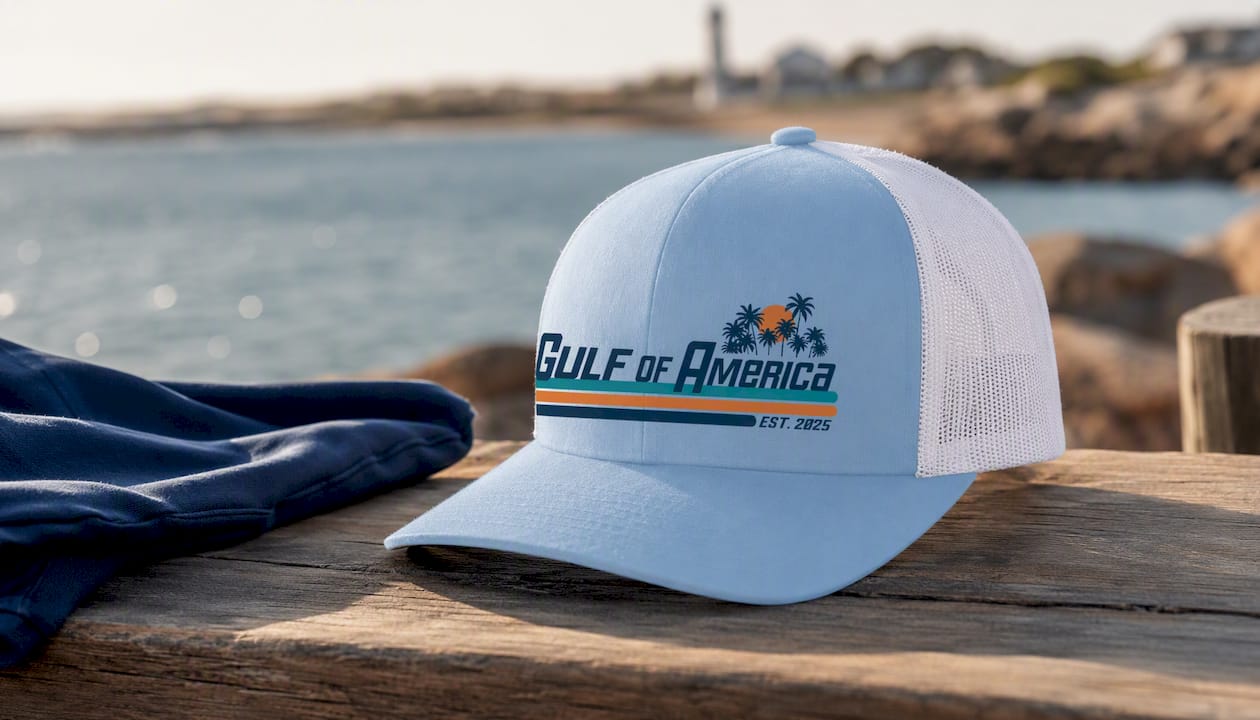
The Sunset Palm Trees Mens Embroidered Mesh Back Trucker Hat shows this approach in action, with a structured front panel, embroidered detail, and a breathable mesh back built for everyday wear rather than a single season on a shelf. Head to the product page to check the material breakdown and sizing details, and see for yourself whether it holds up to the same standards laid out in this guide.
Sources
- T-shirt fabric guide — Printify
- T-shirt materials — Printful
- Best T-Shirt Fabrics & Materials for Your Brand (2026) — Argus Apparel
- Best materials for t-shirts — HAPA Garments
FAQ
What Is the Most Premium T-Shirt Fabric?
Long-staple cotton like Supima or Pima, spun using combed ring-spun processing, is generally considered the most premium option for softness, strength, and color retention.
Who Makes the Best Premium T-Shirts?
Brands that specify fiber type, GSM, and finishing process on their product pages, rather than relying on vague terms like “luxury,” tend to deliver the most reliable quality. This brand builds its apparel from premium materials and backs purchases with a 30-day money-back guarantee.
What Is the Best Fabric to Use for T-Shirts?
It depends on the goal: combed ring-spun cotton at 160 to 220 GSM suits everyday softness and structure, tri-blend or modal fits lightweight drape, and recycled polyester or spandex blends work best for performance wear.
Is a Higher GSM Always Better for a Premium Tee?
No. Higher GSM means a heavier, more structured fabric, but it changes the aesthetic rather than automatically improving quality. A well-finished 180 GSM combed cotton tee can outperform a poorly made 220 GSM shirt.
Can You Use DTG Printing on Any Premium Fabric?
No. DTG printing works best on cotton and cotton-rich blends, while 100% polyester fabrics require sublimation printing to bond dye properly with the synthetic fibers.