

Match Your Activity: 6 Breathable T Shirt Fabrics and Label Cues
Lightweight cotton, linen, rayon (viscose), merino wool, and engineered polyester or nylon blends top the list of breathable t-shirt fabrics. For everyday heat, pick a loose-weave natural fiber. For heavy sweating or workouts, pick an engineered synthetic built for wicking. The rest comes down to reading labels correctly and matching the fabric to what you’re actually doing outside.
TL;DR:
- Lightweight cotton, linen, and rayon are ideal for casual wear, but heavy cotton absorbs sweat and traps moisture during extended outdoor activity.
- Natural fibers like linen and merino wool excel in airflow and odor resistance, making them better choices for travel and multi-day wear without washing.
- Engineered synthetics, such as polyester and nylon blends, outperform natural fibers in sweat-wicking, quick-drying, and ventilation features, especially during high-intensity exercise.
- Fabric construction, including open weaves, mesh panels, and knit types, significantly impacts breathability and should be checked alongside fiber type for better performance.
- Avoid relying solely on marketing claims; always verify fiber composition, fabric weight, and knit openness to ensure the shirt will breathe effectively in your activity and climate.
Table of Contents
- Breathable T Shirt Fabrics at a Glance
- What Actually Makes These Fabrics Breathe
- How to Choose the Right Breathable Shirt
- Engineered Fabrics That Push Airflow Further
- Where Gulfofamerica Fits Into Breathable Casual Wear
- The Gap Between Fabric Marketing and Fabric Reality
- Gear Up for Summer With Gulfofamerica
- Sources
- FAQ
Breathable T Shirt Fabrics at a Glance
Not every fabric marketed as “breathable” behaves the same way once you’re sweating through a July afternoon. Here’s the quick rundown before getting into the mechanics of why each one performs the way it does.
- Cotton — soft and widely available; breathes well when lightweight and open-woven, but heavy cotton absorbs sweat and stays damp.
- Linen — arguably the best natural airflow of the bunch, dries fast, but wrinkles easily and can feel rough against sensitive skin.
- Rayon/viscose — silky drape and strong breathability, though it’s less durable and often needs gentler washing.
- Silk — genuinely cool against skin and highly breathable, but delicate, pricey, and a poor match for rough activity.
- Merino wool — surprisingly breathable for a wool, resists odor for days, and suits travel better than almost anything else on this list.
- Engineered polyester/nylon blends — built specifically to wick sweat and dry fast, ideal for workouts, though cheaper versions trap odor.
Casual wear favors cotton, linen, or rayon. Travel favors merino for its odor resistance. Anything involving real sweat output points toward engineered synthetics. Each of these deserves a closer look, because the difference between a shirt that breathes and one that just claims to often comes down to details buried in the fabric tag.
What Actually Makes These Fabrics Breathe
Breathability isn’t one property. It’s a combination of fiber chemistry, how tightly the yarn is spun, how open the knit or weave is, and how much the fabric weighs per square yard. A fiber can be naturally absorbent (hydrophilic, like cotton) or naturally repellent to water (hydrophobic, like polyester), and that single trait determines whether moisture soaks in or gets pushed to the surface to evaporate. Layer construction on top of that and you get wildly different results from fabrics that sound similar on paper.
-
Cotton. Look for lightweight jersey, slub weaves, or waffle and leno knits with visible open texture. These structures let air move through the fabric instead of trapping it against skin. Standard 100% heavy cotton, by contrast, soaks up sweat and holds onto it, which is exactly why a thick cotton tee feels clammy by the second hour outside. Thinner, combed cotton in the 4 to 5 ounce range performs far better than the 6 ounce-plus shirts sold as “durable.”
-
Linen. Made from flax fibers with a naturally loose weave, linen moves air better than almost any other natural fiber and dries noticeably faster than cotton after a wash or a soak. The tradeoff is wrinkling, plus a slightly coarse hand that some wearers find scratchy until the fabric softens with repeated washing.
-
Rayon/viscose. Derived from wood pulp, this fiber breathes well and drapes with a slight sheen that reads as more polished than cotton. Durability is the catch. Viscose weakens when wet and can lose shape faster than natural fibers, so check the care label before assuming it handles machine washing the same way cotton does.
-
Silk. Naturally breathable and smooth against skin, silk regulates temperature well but rarely holds up to sports, hiking, or anything with friction. Cost puts it out of range for most everyday t-shirts, though blended silk knits show up occasionally in premium casual lines.
-
Merino wool. Fine merino fibers breathe better than people expect from a “wool” tag, and the fiber structure resists bacteria growth, which is why merino tees can go multiple wears without smelling. That odor resistance is what makes merino the standout pick for travel, where laundry access is limited.
-
Engineered polyester/nylon. These synthetic blends are built, not grown, which means manufacturers can control wicking and drying speed directly. Microfiber constructions, mesh panels, and bi-component knits move sweat from skin to the fabric’s outer surface for faster evaporation. The downside: cheaper polyester traps odor-causing bacteria more than natural fibers do, so odor-control treatments matter more here than on a cotton tee.
Construction cues matter as much as fiber type. A perforated knit or mesh panel under the arms turns any base fabric into something noticeably cooler, which is why athletic brands lean so heavily on paneling rather than switching materials entirely.
How to Choose the Right Breathable Shirt
Matching fabric to activity solves most of the guesswork. Casual walking or office wear does fine in lightweight cotton or rayon. High-intensity exercise calls for engineered polyester or nylon built for moisture-wicking, since wicking synthetics pull sweat away through capillary action while cotton just absorbs and holds it. Travel favors merino for its odor resistance across multiple wears without a wash. Layering under another shirt works best with thinner, less absorbent fabrics that won’t feel soggy underneath.
Fit changes performance more than most shoppers realize. A snug fit helps wicking fabrics work, because the material needs skin contact to pull moisture away effectively. A looser fit favors airflow instead, letting air circulate rather than relying on the fabric to move sweat mechanically.
Care habits either preserve breathability or quietly kill it. Skip fabric softener entirely, since it coats fibers and blocks the airflow and wicking action you paid for. Wash in cool or warm water rather than hot, and air-dry or use low heat when possible, since high heat degrades synthetic wicking finishes over time.
- Check the fiber percentage on the tag, not just the marketing copy.
- Look for named construction terms: jersey, mesh, waffle, bi-component knit.
- Ignore vague claims like “cooling technology” unless a specific fiber or finish backs it up.
- Prefer listed fabric weight (grams per square meter) when available, since lower numbers generally mean better airflow.
Pro Tip: Hold the shirt up to a light source before buying. If you can see daylight clearly through the weave, it will breathe. If it’s opaque and dense, expect it to trap heat no matter what the tag promises.
Engineered Fabrics That Push Airflow Further
Modern performance yarns go beyond simple mesh panels. Polartec Power Dry uses a bi-component knit that physically moves moisture from the inner layer touching skin to the outer surface, where it evaporates faster than in a single-fiber fabric. UNIFI’s Sorbtek, TruTemp365, and Luxel yarns apply similar principles, engineering recycled polyester fibers to wick moisture while mimicking linen’s texture and improving how the fabric handles repeated washing. SENSIL Breeze takes a different approach, using a specially shaped nylon 6.6 cross-section that creates ventilation channels and a measurable cooling sensation on skin.
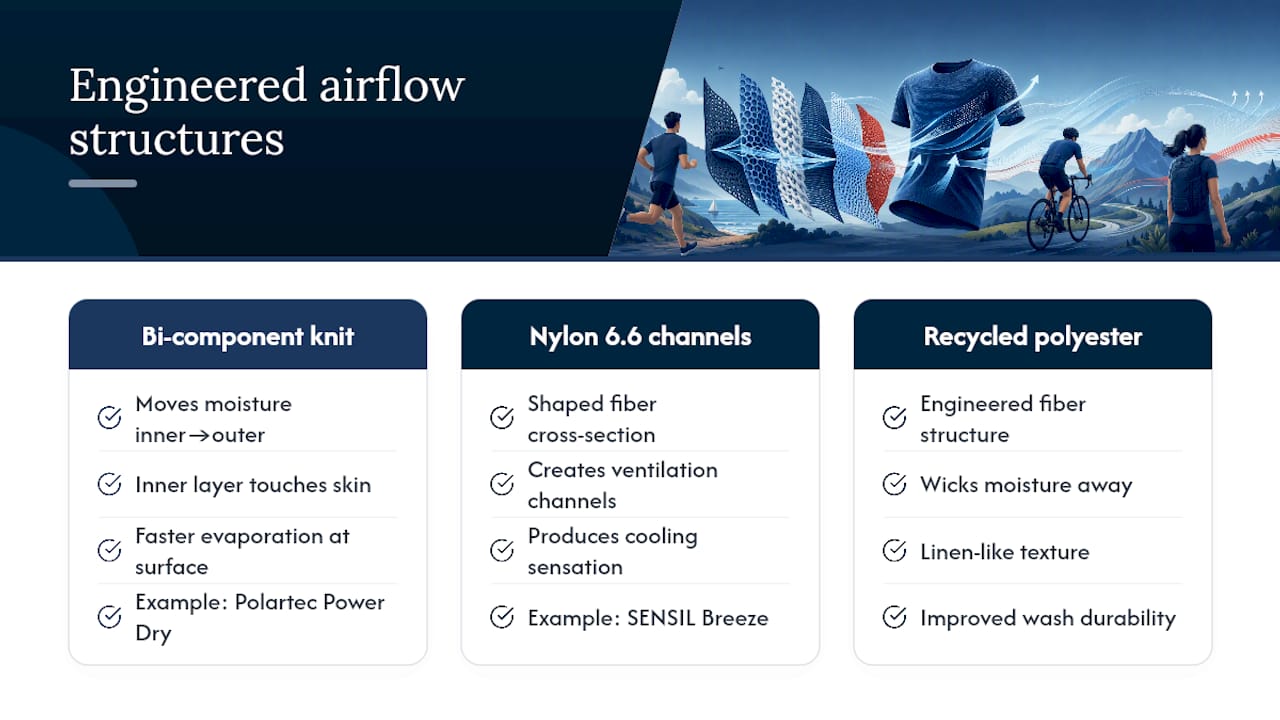
These technologies earn their price premium in high-heat or high-output situations. For a casual weekend tee, a well-woven natural fiber usually does the job just as well for less money.
Where Gulfofamerica Fits Into Breathable Casual Wear
Gulfofamerica builds its casual apparel with lightweight fabrics and mesh-panel construction in mind, applying the same airflow principles covered above rather than relying on vague marketing language. That approach shows up clearly in accessories like the Gulf of America Hat Embroidered Patch Mesh Back Trucker Hat, which pairs a structured front panel with an open mesh back for airflow on hot days.
Every product ships backed by a satisfaction guarantee, and the brand’s track record includes numerous positive customer reviews. That combination of ownership and a customer-friendly return policy gives shoppers a reason to trust the fit and comfort claims before committing to a purchase.
For anyone assembling a warm-weather wardrobe with breathability in mind, Gulfofamerica’s lineup is worth a look alongside the fabric criteria covered in this guide.
The Gap Between Fabric Marketing and Fabric Reality
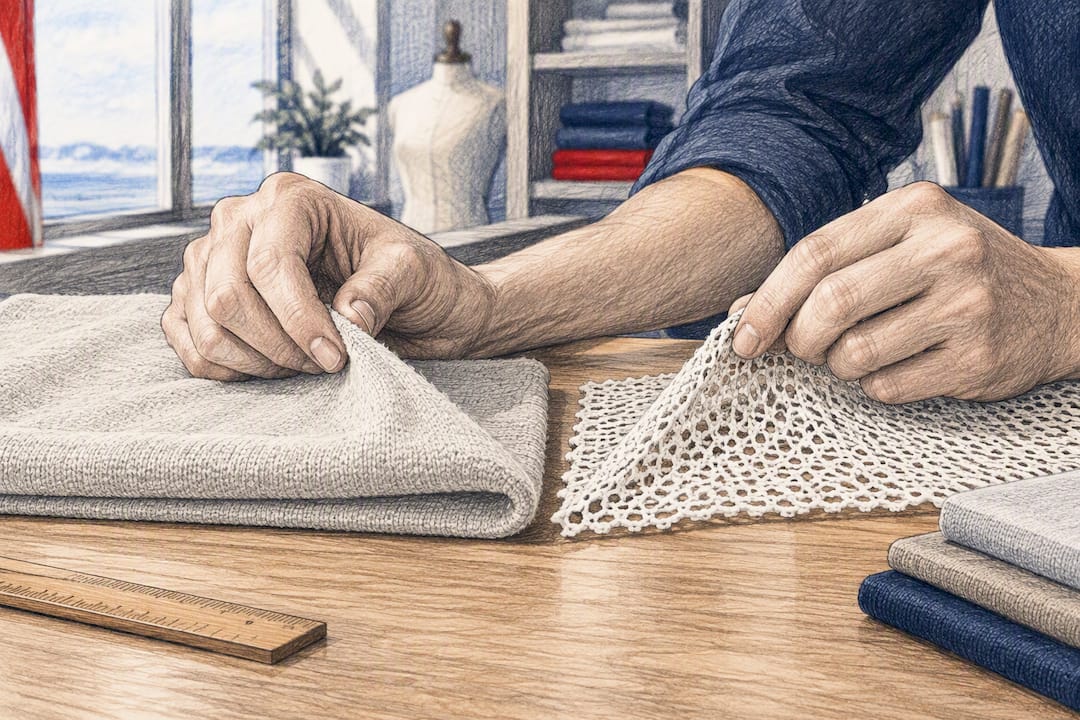
Most advice on breathable fabrics stops at “choose cotton or choose synthetic” and leaves it there. That’s incomplete. The real variable isn’t the fiber category at all. It’s the construction wrapped around that fiber. A heavy 100% cotton tee and a lightweight open-knit cotton tee share a fiber name and nothing else in terms of comfort, and treating them as interchangeable is where most buyers go wrong.
The other blind spot is odor control. Shoppers fixate on how a fabric feels in the dressing room and rarely think about how it performs on day three of a trip without laundry access. That’s exactly where merino wool quietly outperforms almost everything else on this list, and where cheap polyester falls apart fastest.
If there’s one habit worth adopting, it’s this: stop trusting the word “breathable” printed on a hangtag and start checking fiber percentage, weight, and knit type instead. Marketing claims aren’t regulated the way fiber content is. The tag rarely lies about what the shirt is actually made of, even when the branding oversells what it can do.
— Erik
Gear Up for Summer With Gulfofamerica
Gulfofamerica applies the same breathability principles this guide just walked through, mesh paneling, lightweight construction, and fabric choices built for airflow, directly into its patriotic apparel line, so you’re not choosing between comfort and style. The Gulf of America Mens 2025 Mesh Back Trucker Hat uses that same open-back construction to keep airflow moving on hot days, and it pairs naturally with any of the lightweight tees covered above for a full warm-weather outfit.
Every order carries a 30-day money-back guarantee, so trying a new fit or fabric weight carries no real risk. Browse the full Gulf of America Shirts and hat lineup, pick the mesh-back or embroidered patch styles that match your activity level, and check out with confidence backed by more than 2,400 customer reviews.
Sources
- Power Dry™ Quick Drying Base Layer Fabric | Polartec®
- UNIFI ® performance moisture technologies
- How to Pick the Most Breathable Fabrics
FAQ
What Is the Most Breathable T-Shirt Material?
Linen generally ranks as the most breathable natural fiber thanks to its naturally loose weave, though lightweight cotton and merino wool come close depending on construction. Engineered polyester and nylon blends can outperform all three for active sweating because they’re built specifically to wick moisture rather than absorb it, as REI’s fabric guide notes.
What Type of Fabric Is Most Breathable Overall?
Open-weave, lightweight fabrics beat dense or heavy ones regardless of fiber type. A thin, loosely woven cotton or linen shirt breathes better than a thick synthetic, but a well-engineered mesh polyester beats both when the goal is fast moisture evaporation during exercise.
What Are the Best Breathable T-Shirts for Hot Weather?
The best options pair a breathable fiber, lightweight cotton, linen, rayon, or merino, with an open knit or mesh construction. For casual heat, prioritize natural fibers with visible weave openness; for high-sweat activity, choose engineered synthetics with wicking finishes.
What Is the Best Breathable Fabric for Really Hot Days?
Linen typically performs best on the hottest days because of its airflow and fast drying time, while merino wool works well when odor control over multiple wears matters more than raw airflow. Engineered blends using technologies like SENSIL Breeze offer a measurable cooling effect for anyone sweating heavily outdoors.
Does Gulfofamerica Sell Breathable Casual Apparel?
Yes. Gulfofamerica’s shirt and hat lines use lightweight fabrics and mesh-back construction designed for warm-weather comfort. Current pricing is listed directly on the Gulf of America site, with every order backed by a 30-day money-back guarantee.