

Buy American Heritage Clothing From a Veteran Owned Seller, 30 Day Return
American heritage clothing means apparel built on classic workwear, military, and sportswear designs from the last century, made from durable fabrics like heavy denim, wool, and chambray instead of trend-driven synthetics. The immediate takeaway: shop by material and construction first, and look for sellers who back their claims with real guarantees. Trucker hats, chore coats, and selvedge jeans are all approachable entry points. The rest of this guide shows you exactly what to check before you buy.
TL;DR:
- Authentic heritage clothing relies on specific materials like heavyweight denim, wool, and chambray, which require careful inspection of labels and seam details to verify quality.
- Vintage pieces from the 1920s to 1990s often feature precise measurements and natural fibers, indicating true durability and authenticity, unlike modern synthetic blends.
- Care routines such as limited washing, air drying, and professional repairs extend the lifespan of heritage garments, preserving their value over decades.
- New heritage-inspired items offer predictable sizing and warranties, whereas vintage originals provide unmatched authenticity but come with variable condition and sizing.
- Gulf of America offers durable, American-made trucker hats with guaranteed quality and positive reviews, suitable for daily wear and easy returns.
Table of Contents
- What Makes Clothing Count as American Heritage Style?
- How Do You Tell Quality Heritage Clothing From a Knockoff?
- What Are Some Examples of Heritage Pieces Worth Owning?
- How Do You Care for Heritage Clothing so It Lasts?
- Where Can You Actually Buy Heritage-Style Clothing?
- A Veteran-Owned Take on What Heritage Clothing Should Mean
- Ready to Add a Real Heritage Piece to Your Wardrobe?
- Sources
What Makes Clothing Count as American Heritage Style?
American heritage style traces back to workwear built for railroad crews and farmhands, military uniforms issued through two world wars, and the early sportswear that grew out of both. What ties them together isn’t a decade. It’s a philosophy: clothes built to survive hard use, not to be replaced every season.
The style refers to garments inspired by classic American workwear, military uniforms, and traditional manufacturing techniques that favor durability over disposability. Vintage retailers say heavy denim, wool, and chambray were the standard materials in American garment production from the 1920s through the 1990s, and those same fabrics still define the look today.
You’ll recognize the category by a short list of recurring pieces:
- Chore coats — boxy canvas or duck-cloth jackets built for utility, not tailoring.
- Henleys — collarless pullovers with a button placket, originally athletic wear.
- Flannel shirts — brushed cotton meant for insulation on cold job sites.
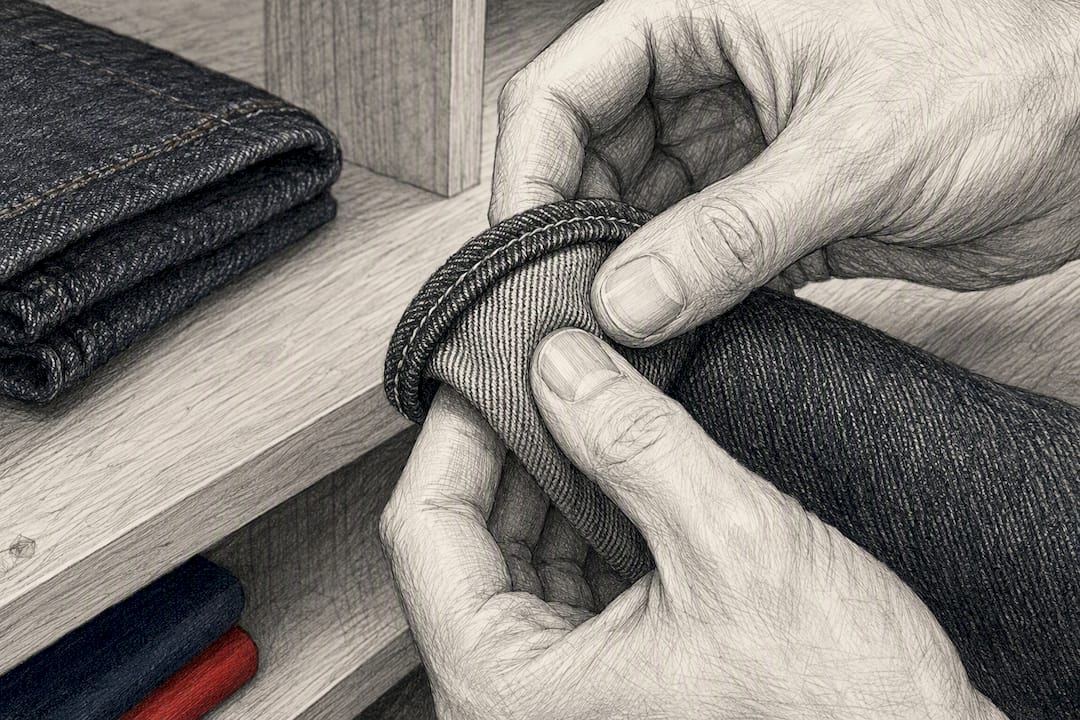
- Selvedge denim — jeans woven on old-style shuttle looms, identifiable by the clean, self-finished edge inside the cuff.
- Trucker hats — mesh-back caps born out of 1960s farm and feed-store promotions.
Collectors gravitate toward these items partly because they’re repairable. A modern performance blend that tears usually gets thrown out. A pair of raw denim jeans or a wool chore coat can be patched, re-hemmed, or handed down, and that repairability is a big part of why heritage pieces hold their value while fast fashion doesn’t.
How Do You Tell Quality Heritage Clothing From a Knockoff?
Spotting the real thing takes about thirty seconds if you know where to look. Start with the tag, move to the seams, then check the return policy before you check out.
- Read the material name, not just the marketing copy. Look for specific terms like 14 oz. selvedge denim, 100% wool melton, or brushed cotton flannel. Vague listings like “premium fabric” are a warning sign.
- Check stitch density and seam reinforcement. Quality workwear uses double or triple stitching at stress points (pockets, shoulder seams, hat brims) and solid metal hardware, not painted plastic snaps.
- Expect natural fibers to fit differently than blends. Raw denim and heavy wool need a break-in period and won’t stretch like a poly blend will. That stiffness is a sign of authenticity, not a flaw.
- Look for a real return window and a visible review history. A seller confident in construction quality usually offers a straightforward guarantee and has a track record of actual customer feedback.
- Demand exact measurements on vintage or reproduction pieces. Sizing has shifted over decades, so a “medium” from 1978 fits nothing like a modern medium.
Watch for red flags: listings with no fabric weight, no stitch detail in the photos, or vintage pieces with zero measurements. Retailers who deal in real “Made in USA” workwear say that domestic manufacturing has grown scarce enough that it drives real demand, and sellers who know their inventory will usually say so plainly instead of burying the detail.
Pro Tip: Rub the inside seam of a denim garment between two fingers. Genuine heavyweight cotton feels slightly waxy and stiff; a cotton-poly blend feels soft and slightly slick right out of the package, no matter how “raw” the listing claims it is.
What Are Some Examples of Heritage Pieces Worth Owning?
Every heritage wardrobe tends to build around a handful of core items, and each one plays a different role.
- A trucker hat anchors a casual look and shows off patriotic or workwear-style patches.
- A flannel shirt works as a mid-layer for cool weather and ages into a favorite over years of wash cycles.
- A henley gives you the sportswear side of the category, simple and collarless.
- Selvedge jeans are the investment piece, the one item most likely to outlast every trend cycle in your closet.
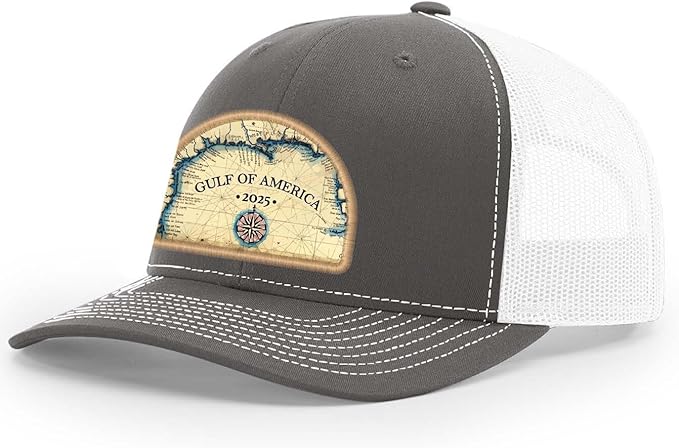
Gulf of America’s Hat Embroidered Patch Mesh Back Trucker Hat fits squarely into that first category: a structured front panel, breathable mesh back, embroidered patch detail, and an adjustable snapback closure built for daily wear rather than one season. The Trucker Hat Patriotic Snapback Baseball Cap follows the same mesh-back trucker template with a patriotic design pulled straight from the brand’s American pride theme.
The hats come with a 30-day money-back guarantee and have received strong positive customer reviews, a track record that matters when you’re buying sight-unseen online.
It helps to know the difference between two categories that get lumped together. Archival vintage pieces are original garments from decades past, often sold through specialty dealers or curated retrospectives, like the archival fashion auctions eBay has run to connect collectors with genuine period pieces. Heritage-inspired items, by contrast, are new goods designed to echo that aesthetic. Both are legitimate. They’re just not the same purchase, and a listing should tell you clearly which one you’re getting.
How Do You Care for Heritage Clothing so It Lasts?
The materials that make heritage clothing durable also make it easy to ruin with the wrong laundry routine. A few habits protect the investment for decades instead of years.
- Wash raw denim as rarely as possible, cold water, inside out, and hang dry to preserve the indigo and the fit.
- Hand wash or dry clean wool pieces; a hot dryer will shrink and felt the fibers permanently.
- Wash flannel on a gentle cycle and skip high heat drying, which breaks down the brushed nap over time.
- Store off season pieces with cedar blocks, not mothballs, to deter moths without the smell.
- Patch small denim tears yourself; hand a torn wool coat lining or a blown-out crotch seam to a professional tailor.
Pro Tip: Before you pay for restoration on an old piece, price a comparable replacement first. If a repair costs more than half of what a new heritage-style version runs, replacement is usually the smarter move unless the item has sentimental or collectible value.
Where Can You Actually Buy Heritage-Style Clothing?
Three channels cover most of the market, and each comes with different trade-offs.
Established apparel brands run heritage collections and reissues alongside their regular lineup, giving you new construction with a classic silhouette and the convenience of standard sizing. Vintage dealers and specialty shops sell original period garments, and curated marketplaces increasingly add authentication and provenance details that make buying decades-old clothing online less of a gamble.
Quick comparison for weighing new versus vintage:
- New heritage-inspired pieces: predictable sizing, warranty coverage, easier returns.
- Vintage originals: unmatched authenticity, but variable condition and sizing that runs by the decade.
- Curated marketplace listings: better provenance data, though prices climb for rare or well-documented pieces.
For buying guidance that applies beyond apparel, the same durability-first thinking shows up in heirloom-quality jewelry shopping, where construction and material sourcing matter more than branding.
A Veteran-Owned Take on What Heritage Clothing Should Mean
Heritage clothing should mean something more than a marketing label slapped on a mass-produced hat. Gulf of America built its catalog around that idea because it’s a veteran-owned platform, and durability and country pride aren’t separate values here. They’re the same value. Over 2,400 customer reviews and a 30-day money-back guarantee exist because a business that sells legacy has to earn trust the hard way, one honest transaction at a time.
— Erik
Ready to Add a Real Heritage Piece to Your Wardrobe?
Gulf of America gives you a straightforward way to buy into the category without guessing at fabric names or hunting through vintage listings for measurements. Both trucker hats use a structured front panel with a breathable mesh back, built for the kind of daily wear that separates heritage pieces from disposable ones.
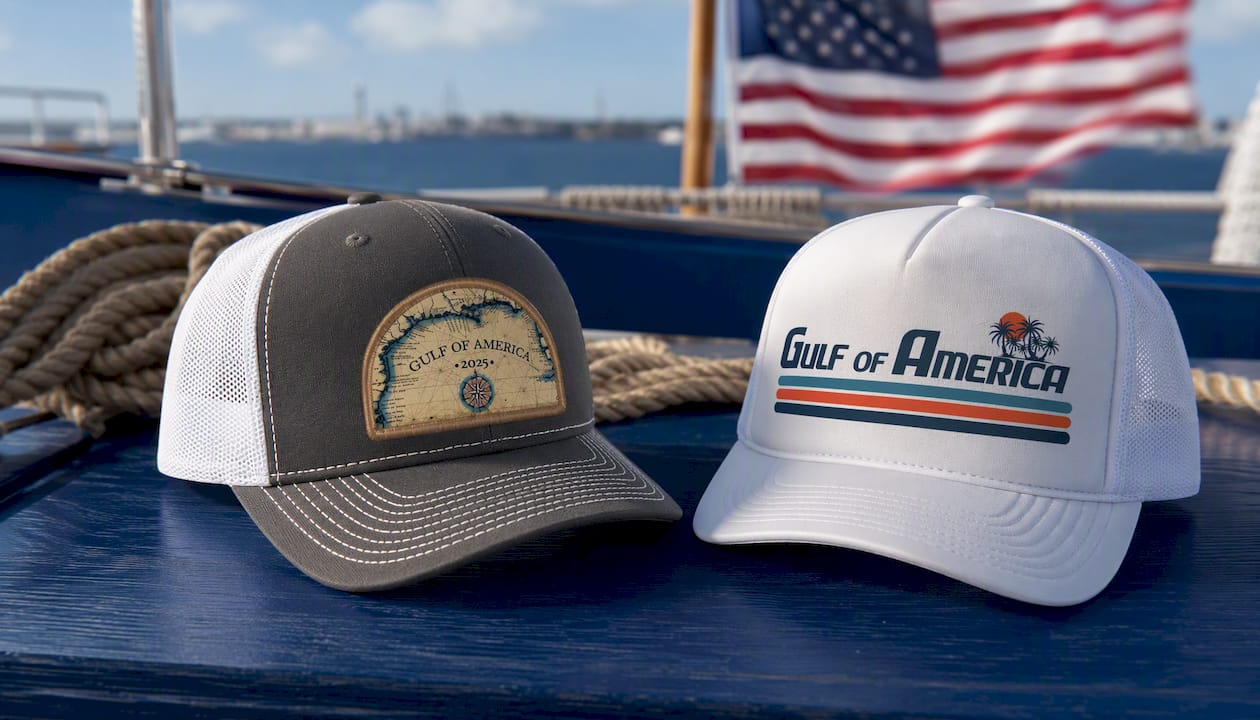
- The Hat Embroidered Patch Mesh Back Trucker Hat pairs an embroidered patch with an adjustable snapback, best for everyday wear with a classic workwear look.
- The Trucker Hat Patriotic Snapback Baseball Cap leans into patriotic styling for anyone who wants the design front and center.
Every order ships with a money-back guarantee and has received strong positive customer reviews from shoppers who’ve already put these hats through daily wear. Pick the style that fits your rotation and check out; if it’s not right, the return window gives you a month to decide.
Sources
For more on the history and market behind this style, see WWD’s report on vintage American fashion retailers, the Metropolitan Museum’s Claire McCardell collection, and eBay’s American fashion retrospective.
- Time capsules: meet the vintage retailers preserving American fashion — WWD
- eBay announces American fashion retrospective and auction — eBay Inc.